Isaac Hollow Horn Bear

Sicangu Lakota

@theLakotaDev

I am the creator of this application

Sacramento, CABorn in Rapid City, SD32 years oldJoined February 2026
View on Map
IB
Isaac Hollow Horn Bear
@theLakotaDev · Jul 11, 2026
historical

The Face on the Fourteen-Cent Stamp — Hollow Horn Bear Comes Home to St. Francis
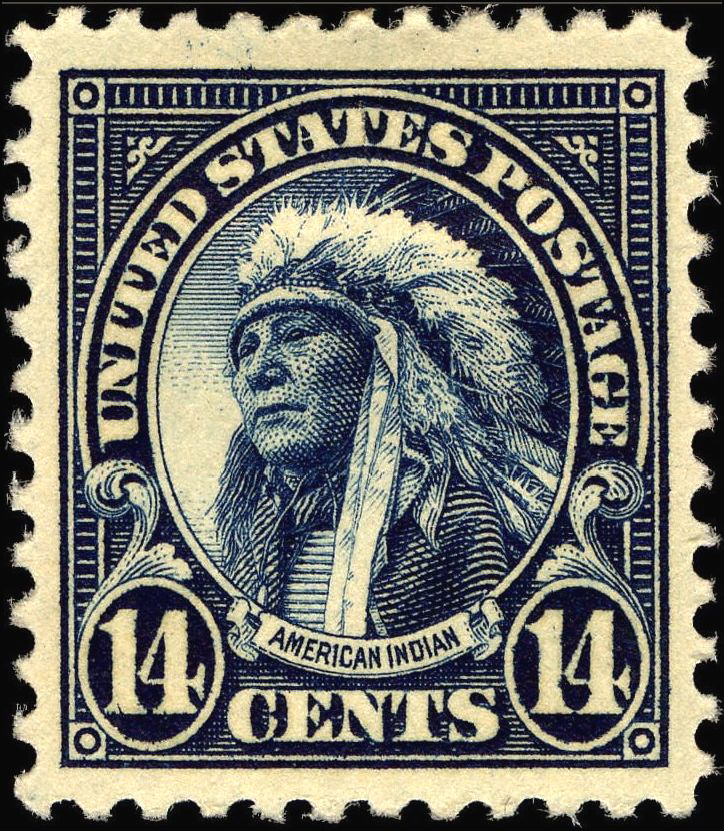
The Face on the Fourteen-Cent Stamp — Hollow Horn Bear Comes Home to St. Francis
When Chief Hollow Horn Bear died in Washington in March 1913, his body came home by train to the Rosebud, and he was buried at St. Francis Mission, in the land of the Sicangu people he had spoken for all his life. In his last years he had been baptized a Catholic, taking the name Daniel; his mother took the name Susie. Nine years later, the United States put his face on its postage. The 14-cent "American Indian" stamp of 1922–23 — engraved from a De Lancey Gill photograph taken on one of his Washington delegations — carried Hollow Horn Bear's portrait onto letters in every corner of the country. Generations of collectors have known his face, sometimes without knowing his name. His likeness appeared again on a $10 Military Payment Certificate used by U.S. service members in the early 1970s, and by some accounts he was among the models for the Indian-head five-dollar silver certificate of 1899. A state historical marker on U.S. Route 18 in Todd County remembers him as warrior, police captain, and "the Indians' chief orator and negotiator." The story did not end there. His personal beaded leather shirt had found its way into a museum in Frankfurt, Germany. In June 2021, at a ceremony at Rosebud, the Museum der Weltkulturen returned it to his great-grandson, Chief Duane Hollow Horn Bear — citing, simply, moral and ethical reasons. One hundred and eight years after he came home to St. Francis, a piece of him came home too. His name is still carried at Rosebud today — by his descendants, and by those they inspire. ——— CREDITS & SOURCES About: Chief Hollow Horn Bear (Matȟó Héȟloǧeča), Sicangu Lakota, 1850–1913. Compiled account, drawn from the sources below. Sources: "Hollow Horn Bear," American National Biography (2000), written by his great-grandson Duane Hollow Horn Bear; Smithsonian National Postal Museum records on the 1922–23 regular issue; reporting on the 2021 repatriation ceremony at Rosebud; Wikipedia (with full citations). Image: U.S. 14-cent "American Indian" stamp, 1922–23 issue, bearing Hollow Horn Bear's portrait after a photograph by De Lancey Gill (public domain, U.S. government work). Shared in honor of Chief Hollow Horn Bear and his descendants.
St. Francis, South Dakota
IB
Isaac Hollow Horn Bear
@theLakotaDev · Jul 11, 2026
historical

The Arrest of Crow Dog — Captain Hollow Horn Bear and the Case That Changed Federal Indian Law (1881)
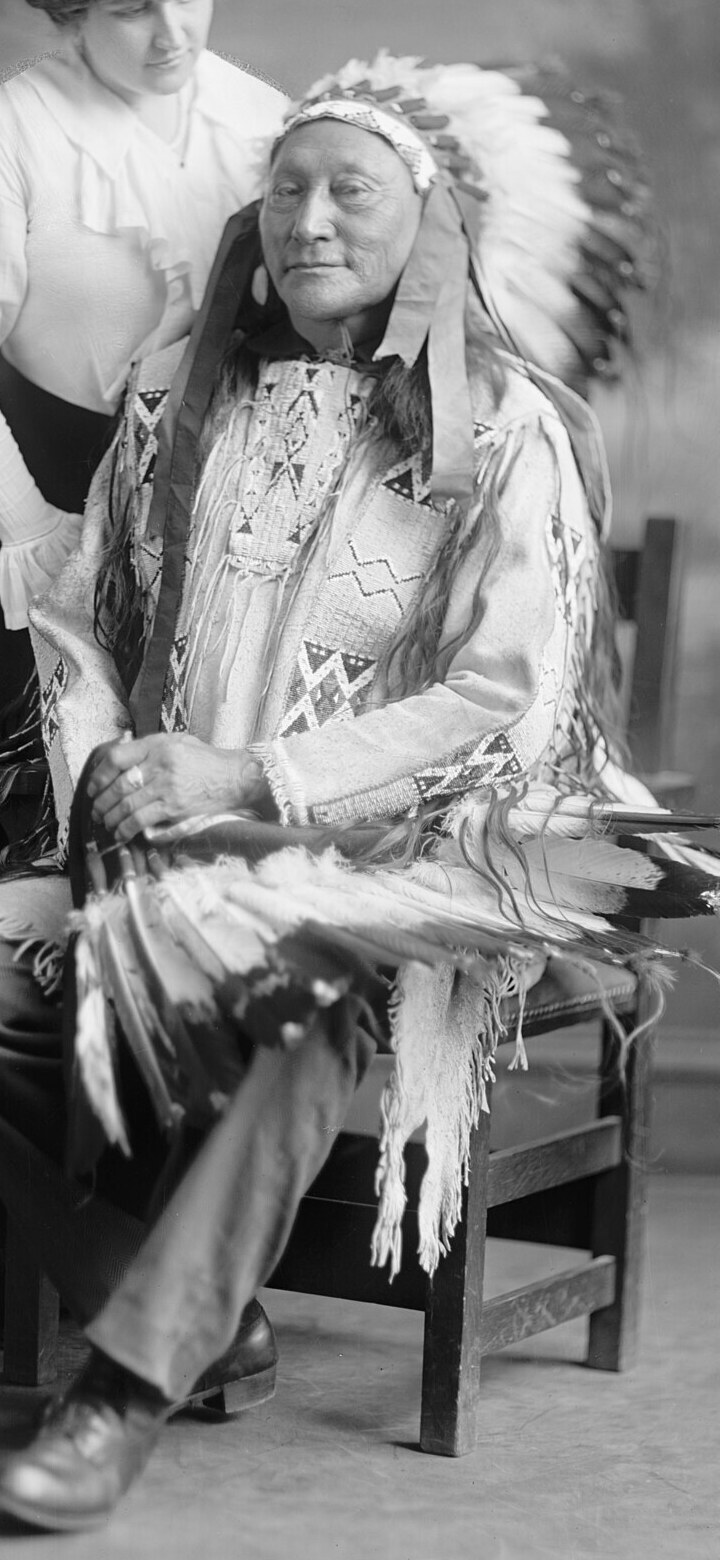
The Arrest of Crow Dog — Captain Hollow Horn Bear and the Case That Changed Federal Indian Law (1881)
After the wars, Hollow Horn Bear settled at the Rosebud Agency and was appointed captain of the reservation's Indian police — a position of trust on both sides of a difficult line. On August 5, 1881, the Sicangu head chief Spotted Tail was shot dead on the agency road by Crow Dog, a former police captain himself. The killing shook the whole reservation. It fell to Hollow Horn Bear to make the arrest. At the trial in Deadwood he testified plainly, and his words survive in the court record: "Mr. Lelar gave me a paper for the arrest of Crow Dog. Found defendant on a hill between White River and Rosebud Creek, where I made the arrest." Under Lakota law, the matter had already been settled the old way: the families met, and Crow Dog's people paid restitution — $600, eight horses, and a blanket — so that no more blood would follow. But the territorial court tried Crow Dog for murder and sentenced him to hang. His appeal went all the way to the United States Supreme Court. In Ex parte Crow Dog (1883), the Supreme Court ruled that the United States had no jurisdiction over a crime between Indians on Indian land — that within their own nation, the Lakota's own law governed. Crow Dog went free. The decision is still a foundation stone of tribal sovereignty law, taught in every federal Indian law course. (Congress answered it two years later with the Major Crimes Act, extending federal jurisdiction — the tug-of-war over sovereignty that began on that hill between the White River and Rosebud Creek continues to this day.) Hollow Horn Bear served as police captain until illness forced him to resign about five years later. From then on his weapon was oratory: in 1889 he was the Sicangu's chief negotiator opposite General George Crook over the breakup of the Great Sioux Reservation, arguing to keep the Black Hills at any cost, and he carried his people's case to Washington again and again for the rest of his life. ——— CREDITS & SOURCES About: Chief Hollow Horn Bear (Matȟó Héȟloǧeča), Sicangu Lakota, 1850–1913. Compiled account; his quoted testimony is from the 1883 trial record in the matter of Crow Dog (public domain). Sources: Sidney L. Harring, "Crow Dog's Case," American Indian Law Review 14 (1989); Ex parte Crow Dog, 109 U.S. 556 (1883); "Hollow Horn Bear," American National Biography (2000), by Duane Hollow Horn Bear; Wikipedia (with full citations). Photo: Hollow Horn Bear, Bain News Service, 1913, Library of Congress (public domain). Shared in honor of Chief Hollow Horn Bear and his descendants.
Rosebud, South Dakota
IB
Isaac Hollow Horn Bear
@theLakotaDev · Jul 11, 2026
historical

Hollow Horn Bear at the Little Bighorn — Fighting Reno and Custer (1876)
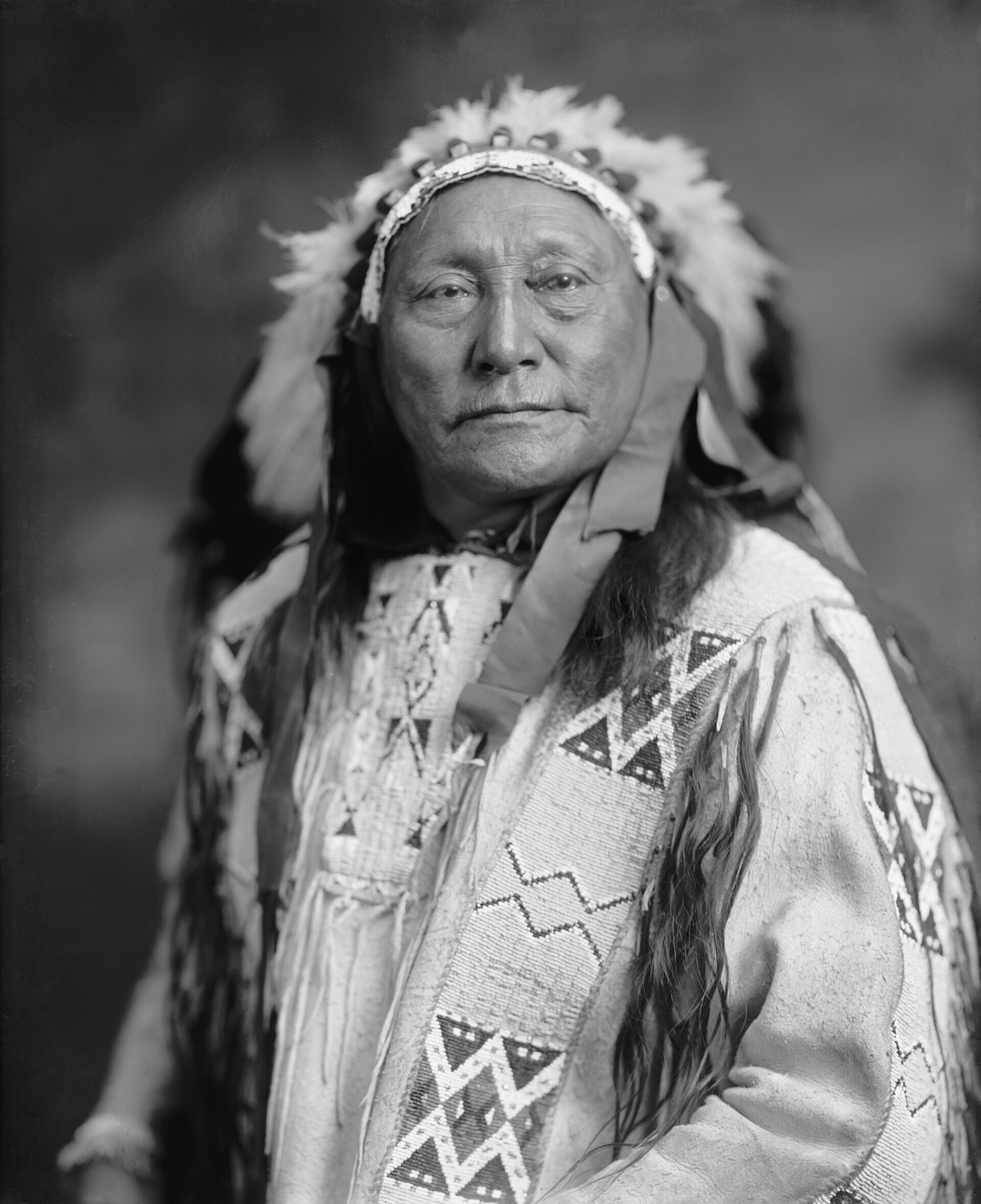
Hollow Horn Bear at the Little Bighorn — Fighting Reno and Custer (1876)
In June 1876, Hollow Horn Bear was twenty-six years old and camped with the great village on the Greasy Grass — the river the whites call the Little Bighorn. Thousands of Lakota, Cheyenne, and Arapaho had come together with Sitting Bull rather than be driven onto the agencies, and three army columns were hunting them. According to the accounts he gave in later life, Hollow Horn Bear had been out with a party of Two Kettle Lakota searching for lost horses when they encountered soldiers of General Alfred Terry's command in the days before the battle. On June 25, when Custer's Seventh Cavalry struck the village, Hollow Horn Bear fought in both actions of that day — first against Major Marcus Reno's battalion, driven back across the river in the valley fight, and then in the fight that destroyed George Armstrong Custer's five companies on the ridge above the Greasy Grass. He said afterward that he had fought both Reno's men and Custer's personally. He was one of thousands of Lakota warriors that day — the day the people remember as their greatest victory, won in defense of their own families in their own camp. His recollections of the Custer fight were among those gathered from Lakota veterans in later decades, and historians still study them. Within a year of the victory the bands were forced to the agencies, and the Black Hills — guaranteed forever by the 1868 treaty — were taken. Hollow Horn Bear laid down the rifle and took up the harder fight: forty years of speaking, negotiating, and holding the government to its word. ——— CREDITS & SOURCES About: Chief Hollow Horn Bear (Matȟó Héȟloǧeča), Sicangu Lakota, 1850–1913. This is a compiled account, drawn from the sources below — not a first-person telling, though it follows the recollections he himself gave. Sources: Richard G. Hardorff (ed.), "Lakota Recollections of the Custer Fight"; Frederic C. Wagner III, "Participants in the Battle of the Little Big Horn"; "Hollow Horn Bear," American National Biography (2000), by Duane Hollow Horn Bear; Wikipedia, "Hollow Horn Bear" (with full citations). Photo: Hollow Horn Bear, Bain News Service, 1913, Library of Congress (public domain). Shared in honor of Chief Hollow Horn Bear and his descendants.
Crow Agency, Montana
IB
Isaac Hollow Horn Bear
@theLakotaDev · Jul 11, 2026
historical

Sixteen on the Bozeman Trail — Hollow Horn Bear and the Fetterman Fight (1866)
Sixteen on the Bozeman Trail — Hollow Horn Bear and the Fetterman Fight (1866)
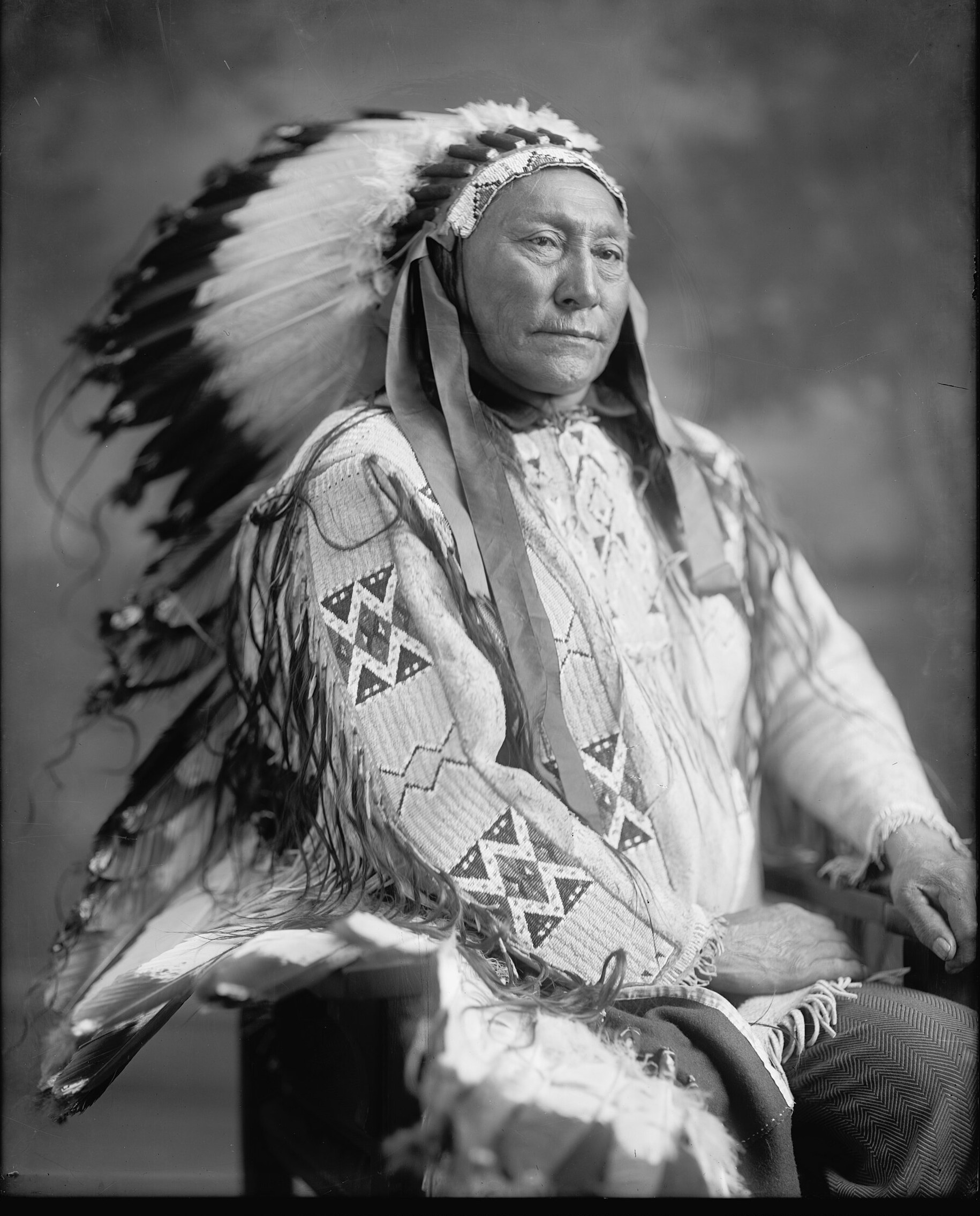
By his mid-teens, Hollow Horn Bear was riding with his father Iron Shell's warriors in the raids across Montana, Wyoming, and the Dakotas. In 1866 the army built forts along the Bozeman Trail through the Powder River country — the last great Lakota hunting grounds — and Red Cloud's War began. On December 21, 1866, near Fort Phil Kearny in Wyoming, a decoy party led warriors under Captain William J. Fetterman over Lodge Trail Ridge and into one of the most complete defeats the army ever suffered on the plains: Fetterman and all eighty of his men were killed in less than an hour. The Lakota remember it as the Battle of the Hundred in the Hands. Hollow Horn Bear was about sixteen years old that winter, and Lakota accounts place him among the young Sicangu warriors of that war. In later years his part in the Bozeman Trail fighting became part of his renown — some accounts went so far as to name him among those credited with Fetterman's defeat, though the fight belonged to many bands and many leaders, Oglala, Minneconjou, Cheyenne, and Sicangu together. Two years later the army abandoned the forts and burned them behind it, and the Treaty of Fort Laramie of 1868 recognized the Great Sioux Reservation — including the sacred He Sapa, the Black Hills, forever. Hollow Horn Bear spent the rest of his life holding the United States to the words of that treaty. ——— CREDITS & SOURCES About: Chief Hollow Horn Bear (Matȟó Héȟloǧeča), Sicangu Lakota, 1850–1913. This is a compiled account, drawn from the sources below — not a first-person telling. His exact role in the Fetterman Fight is told differently in different sources; what is certain is that he came of age as a warrior in Red Cloud's War. Sources: "Hollow Horn Bear," American National Biography (2000), by Duane Hollow Horn Bear; Edward S. Curtis, "The North American Indian," vol. 3 (1908), p. 186; Wikipedia, "Hollow Horn Bear" and "Fetterman Fight" (with full citations). Photo: Hollow Horn Bear, Bain News Service, 1913, Library of Congress (public domain). Shared in honor of Chief Hollow Horn Bear and his descendants.
Story, Wyoming
IB
Isaac Hollow Horn Bear
@theLakotaDev · Jul 11, 2026
historical

Riding Up Pennsylvania Avenue — Hollow Horn Bear at Two Inaugurations (1905 & 1913)
Riding Up Pennsylvania Avenue — Hollow Horn Bear at Two Inaugurations (1905 & 1913)
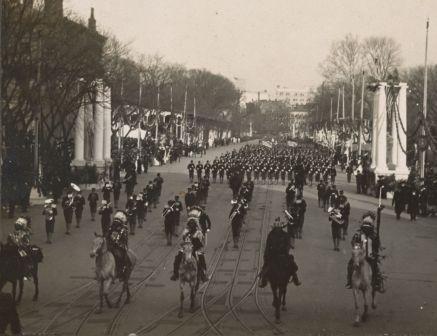
By the turn of the century, Hollow Horn Bear was the Lakota's chief orator and negotiator — a man who had made the journey to Washington again and again since his first trip in 1880: pressing claims for lost property, demanding cattle instead of beef rations, asking for schools, holding the government to the treaties. On March 4, 1905, he rode up Pennsylvania Avenue in Theodore Roosevelt's inaugural parade — one of six famous chiefs on horseback, riding with Geronimo (Apache), Quanah Parker (Comanche), Buckskin Charlie (Ute), Little Plume (Blackfeet), and American Horse (Oglala). The photograph above shows them leading their section of the parade past the crowds. Newspapers across the country carried his image; with his eagle-feather bonnet and commanding presence, he became one of the faces by which America pictured the Lakota nation. That same year he was honored at the Louisiana Purchase Exposition in St. Louis. Eight years later, in March 1913, he came to Washington one last time — to attend the dedication of the National American Indian Memorial and to ride in Woodrow Wilson's inaugural parade. He presented President Wilson with a peace pipe made of South Dakota red pipestone. In the cold and rain of that inauguration he contracted pneumonia. Chief Hollow Horn Bear died at Providence Hospital in Washington on March 15, 1913, at the age of sixty-three, far from the Rosebud. By order of the Secretary of the Interior, a military escort carried him from Union Station, and hundreds crowded his funeral. He had first come into the white man's cities as a five-year-old prisoner at Fort Laramie. He left them as a statesman, escorted with honors, on his way home. ——— CREDITS & SOURCES About: Chief Hollow Horn Bear (Matȟó Héȟloǧeča), Sicangu Lakota, 1850–1913. Compiled account, drawn from the sources below. Sources: "Hollow Horn Bear," American National Biography (2000), by Duane Hollow Horn Bear; "The Death of an Indian Leader and His Afterlife in U.S. Imagery and Rhetoric," History of Anthropology Review; contemporary reporting in The New York Times and Brooklyn Daily Eagle (1905, 1913); Wikipedia (with full citations). Photo: Indian chiefs, headed by Geronimo, in review before President Roosevelt, Inauguration Day 1905, Washington, D.C. (public domain). Hollow Horn Bear is among the six riders. Shared in honor of Chief Hollow Horn Bear and his descendants.
Washington, District of Columbia
IB
Isaac Hollow Horn Bear
@theLakotaDev · Jul 11, 2026
historical

The Boy at Blue Water — Hollow Horn Bear's Childhood Capture (1855)
The Boy at Blue Water — Hollow Horn Bear's Childhood Capture (1855)
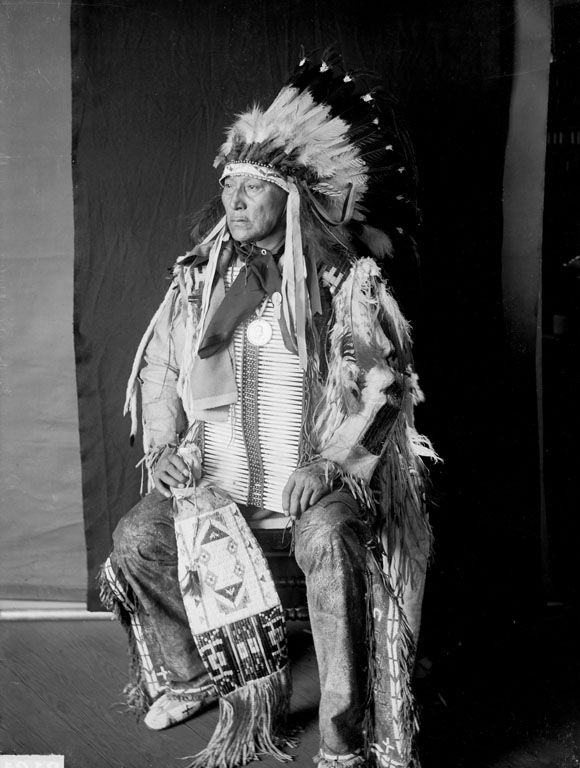
Matȟó Héȟloǧeča — Hollow Horn Bear — was born in March 1850 in what is now Sheridan County, Nebraska, one of seven sons of the Sicangu chief Iron Shell. His mother was Wants Everything (Wisica Wacin Win). He was named for his grandfather. He was five years old on September 3, 1855, when General William S. Harney's soldiers attacked Little Thunder's Sicangu camp on Blue Water Creek, just north of Ash Hollow on the Oregon Trail. The attack — retaliation for the Grattan fight the year before — killed dozens of Sicangu people, many of them women and children, and the soldiers took scores of captives. Among the captives were the boy Hollow Horn Bear and his mother. They were marched to Fort Laramie and held there as prisoners until October 1855, when they were released back to their people. A child who survives such a thing does not forget it. Hollow Horn Bear grew up in the years when the Lakota still rode free between the Platte and the Yellowstone — and in the years when that freedom had to be fought for. By his own count he would take part in thirty-one battles, the first when he was about twelve years old. At sixteen he fought the Pawnee near present-day Genoa, Nebraska. The boy taken at Blue Water became one of the Sicangu's most respected warriors — and, in time, one of their greatest orators and negotiators. This is the first story in a series following Chief Hollow Horn Bear's life across the map — from Blue Water Creek to the Little Bighorn to Washington, D.C. ——— CREDITS & SOURCES About: Chief Hollow Horn Bear (Matȟó Héȟloǧeča), Sicangu Lakota, 1850–1913. This is a compiled account, drawn from the sources below — not a first-person telling. Sources: "Hollow Horn Bear (1851–15 March 1913)," American National Biography (2000), written by his descendant Duane Hollow Horn Bear; Edward S. Curtis, "The North American Indian," vol. 3 (1908), p. 186; Dan L. Thrapp, "Encyclopedia of Frontier Biography"; Wikipedia, "Hollow Horn Bear" (with full citations). Photo: Hollow Horn Bear in 1905, by De Lancey Gill (public domain). Shared in honor of Chief Hollow Horn Bear and his descendants. If this story belongs to your family and you would like it presented differently, please reach out.
Lewellen, Nebraska
IB
Isaac Hollow Horn Bear
@theLakotaDev · Jul 11, 2026
historical

Across the Big Water — Standing Bear with Buffalo Bill in London
Across the Big Water — Standing Bear with Buffalo Bill in London
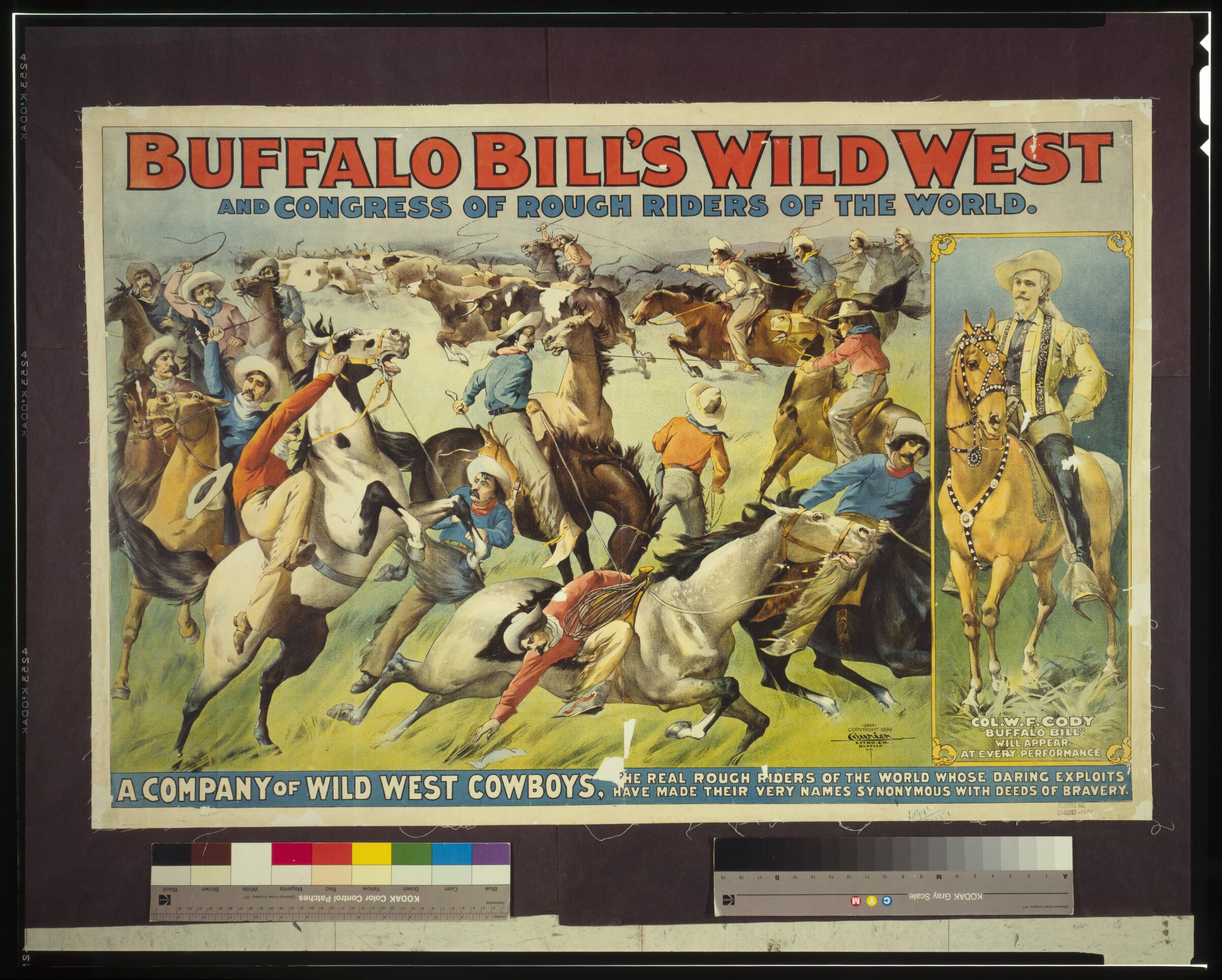
In 1902 Luther Standing Bear was hired to lead the seventy-five Lakota performers traveling with Buffalo Bill's Wild West show to England. In "My People the Sioux" he remembered the journey — the first time most of the group had ever left the plains, let alone crossed an ocean. These are his words, lightly condensed: "My wife was greatly pleased when I told her the news that we were going to have the chance to go abroad. We had only three days to get ready. We were to meet the entire Indian delegation at Rushville. When we reached the top of the hill looking into Rushville, there lay a full Indian camp spread out before us, with all the tipis arranged in a circle. "As this was my first experience in the show business, I did not know just how much responsibility was really on my shoulders. There were seventy-five Sioux for me to look after, many of them a great deal older than myself. After supper one night in New York, a meeting of all the Indians was called, and I arose and said: 'My relations, you all know that I am to take care of you while going across the big water to another country. I understand that the regulations of the Buffalo Bill show require that no Indian shall be given any liquor. You all know that I do not drink, and I am going to keep you all from it. Don't think that because you may be closely related to me I will shield you, for I will not.' "The ship was soon under way, and as we got out on the ocean, the water became very rough. The women and children became greatly frightened, and even some of the men began to wish for Pine Ridge Reservation. I include myself among the latter. For nine days I suffered the tortures of the damned. It was only Indian corn and dried meat that kept me up. Some of the Indians did not get sick at all, but ate their meals regularly and laughed at the rest of us. "We landed at Liverpool on a very drizzly morning, and were put in some very funny-looking cars with doors on each side. As many of the boys had their faces painted and wore feathers in their hair, every time the train stopped and the Indians stuck their heads out the windows, this sight must have appeared funny to onlookers. "Finally we reached a large city called London. The meat served to us was cut into small pieces and served with potatoes and greens. We cared nothing for the greens — all we wanted was meat, and plenty of it. So we would take the meat off the platter and hand the platter back to the waiter with the potatoes and other things still on it. We certainly kept those waiters busy. "The next morning, in came a very finely dressed man, wearing a high silk hat, Prince Albert coat, kid gloves, silk handkerchief in his pocket, and carrying a cane. He was so dignified-looking that all the Indians wondered who he might be. I concluded he must be either a fire inspector or the proprietor of the place. After finishing breakfast and returning to our room, what was our amazement to find our late dignified caller — minus all his finery — making up our beds. "The place where we were quartered I had supposed to be a large hotel. In reality, it was the Olympia Theater, the largest at that time in England. We remained at the Olympia three months and had a royal good time. The English people were very good to us. They would invite the Indians to their homes and give them plenty of good things to eat. One lady in particular always came twice a week, carrying a pocketbook made of wire — in it she always carried gold pieces. She would take out men or women — sometimes an entire family — and treat them until her pocketbook was empty. "I recall that one day I visited the house where all the toys were kept with which Queen Victoria had played as a child. I also visited Westminster Abbey, one of the most beautiful churches in the world, and a very historic spot. So I, for one, was sorry when the show came to an end in London, and we had to leave the beautiful Olympia Theater." ——— CREDITS & SOURCE Written and told by: Chief Luther Standing Bear (Óta Kté / "Plenty Kill"), Sicangu and Oglala Lakota (1868–1939), leader of the Lakota delegation on the 1902–03 tour. From: "My People the Sioux" (Boston: Houghton Mifflin, 1928), chapter 19, "With Buffalo Bill in England." Public domain in the United States (published before 1930). Image: "Buffalo Bill's Wild West and Congress of Rough Riders of the World" poster, c. 1899, Library of Congress (public domain, via Wikimedia Commons). Shared here in honor of the teller. If this story belongs to your family or community and you would like it presented differently, please reach out.
London
IB
Isaac Hollow Horn Bear
@theLakotaDev · Jul 11, 2026
historical

First Days at Carlisle — Luther Standing Bear Chooses a Name
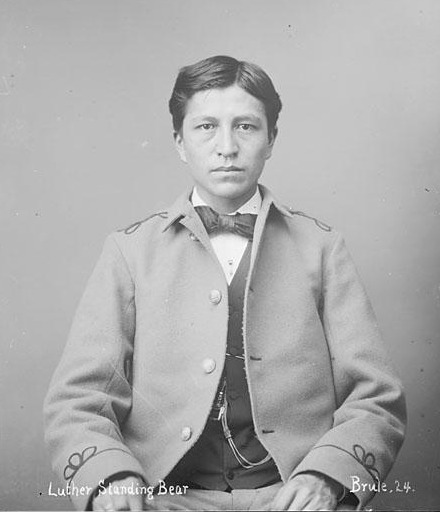
First Days at Carlisle — Luther Standing Bear Chooses a Name
In October 1879, a trainload of Lakota children arrived in Pennsylvania to become the first class of the Carlisle Indian Industrial School. Óta Kté — Plenty Kill, son of Chief Standing Bear — was the first child through the gate. Fifty years later he wrote down what those first days were like. These are his words, lightly condensed: "At last the train arrived at a junction where we were told we were at the end of our journey. Here we left the train and walked about two miles to the Carlisle Barracks. Soon we came to a big gate in a great high wall. The gate was locked, but after quite a long wait, it was unlocked and we marched in through it. I was the first boy inside. At that time I thought nothing of it, but now I realize that I was the first Indian boy to step inside the Carlisle Indian School grounds. "The first room we entered was empty. We ran through all the rooms, but they were all the same — no fire, no beds. We took off our leggins and rolled them up for a pillow. All the covering we had was the blanket which each had brought. We went to sleep on the hard floor, and it was so cold! How lonesome the big boys and girls were for their far-away Dakota homes where there was plenty to eat! The big boys would sing brave songs, and that would start the girls to crying. "I had come to this school merely to show my people that I was brave enough to leave the reservation and go East, not knowing what it meant and not caring. "One day when we came to school there was a lot of writing on one of the blackboards. Our interpreter came into the room and said, 'Do you see all these marks on the blackboard? Well, each word is a white man's name. They are going to give each one of you one of these names by which you will hereafter be known.' The teacher handed a long pointed stick to the first boy and told him to pick out any name he wanted. The boy turned to us as much as to say, 'Shall I — or will you help me — to take one of these names? Is it right for me to take a white man's name?' Finally he pointed out one of the names. The teacher wrote it on a piece of white tape and sewed it on the back of the boy's shirt. "When my turn came, I took the pointer and acted as if I were about to touch an enemy. I had selected the name 'Luther.' When the teacher called the roll, no one answered his name. She would walk around and look at the back of the boys' shirts, and when she had the right name located, she made the boy stand up and say 'Present.' I was one of the 'bright fellows' to learn my name quickly — how proud I was to answer when the teacher called the roll! The first few times I wrote my new name, it was scratched so deeply into the slate that I was never able to erase it. "How lonesome I felt for my father and mother! Right then and there I learned that no matter how humble your home is, it is yet home. "One day we had a strange experience. We were all called together by the interpreter and told that we were to have our hair cut off. That evening the big boys held a council, and I recall very distinctly that Nakpa Kesela, or Robert American Horse, made a serious speech. Said he, 'If I am to learn the ways of the white people, I can do it just as well with my hair on.' To this we all exclaimed 'Hau!' — meaning that we agreed with him. "In spite of this meeting, a few days later we saw some white men come inside the school grounds carrying big chairs. One of the big boys named Ya Slo, or Whistler, was missing. In a short time he came in with his hair cut off. In this way we were called out one by one. When my hair was cut short, it hurt my feelings to such an extent that the tears came into my eyes. "All his instructions to me had been along this line: 'Son, be brave and get killed.' This expression had been moulded into my brain to such an extent that I knew nothing else. Now, after having had my hair cut, a new thought came into my head. I felt that I was no more Indian, but would be an imitation of a white man." Luther Standing Bear survived Carlisle, and he spent his life proving that thought wrong — becoming a chief, an author, and one of the fiercest defenders of Lakota identity ever to hold a pen. ——— CREDITS & SOURCE Written and told by: Chief Luther Standing Bear (Óta Kté / "Plenty Kill"), Sicangu and Oglala Lakota (1868–1939), first student through the gate at Carlisle. From: "My People the Sioux" (Boston: Houghton Mifflin, 1928), chapter 10, "First Days at Carlisle." Public domain in the United States (published before 1930). Photo: Luther Standing Bear as a young man at Carlisle, labeled "Brulé" (public domain, via Wikimedia Commons). Shared here in honor of the teller. If this story belongs to your family or community and you would like it presented differently, please reach out.
Carlisle, Pennsylvania
IB
Isaac Hollow Horn Bear
@theLakotaDev · Jul 11, 2026
cultural

Charging Thunder's Dream of the Wolves
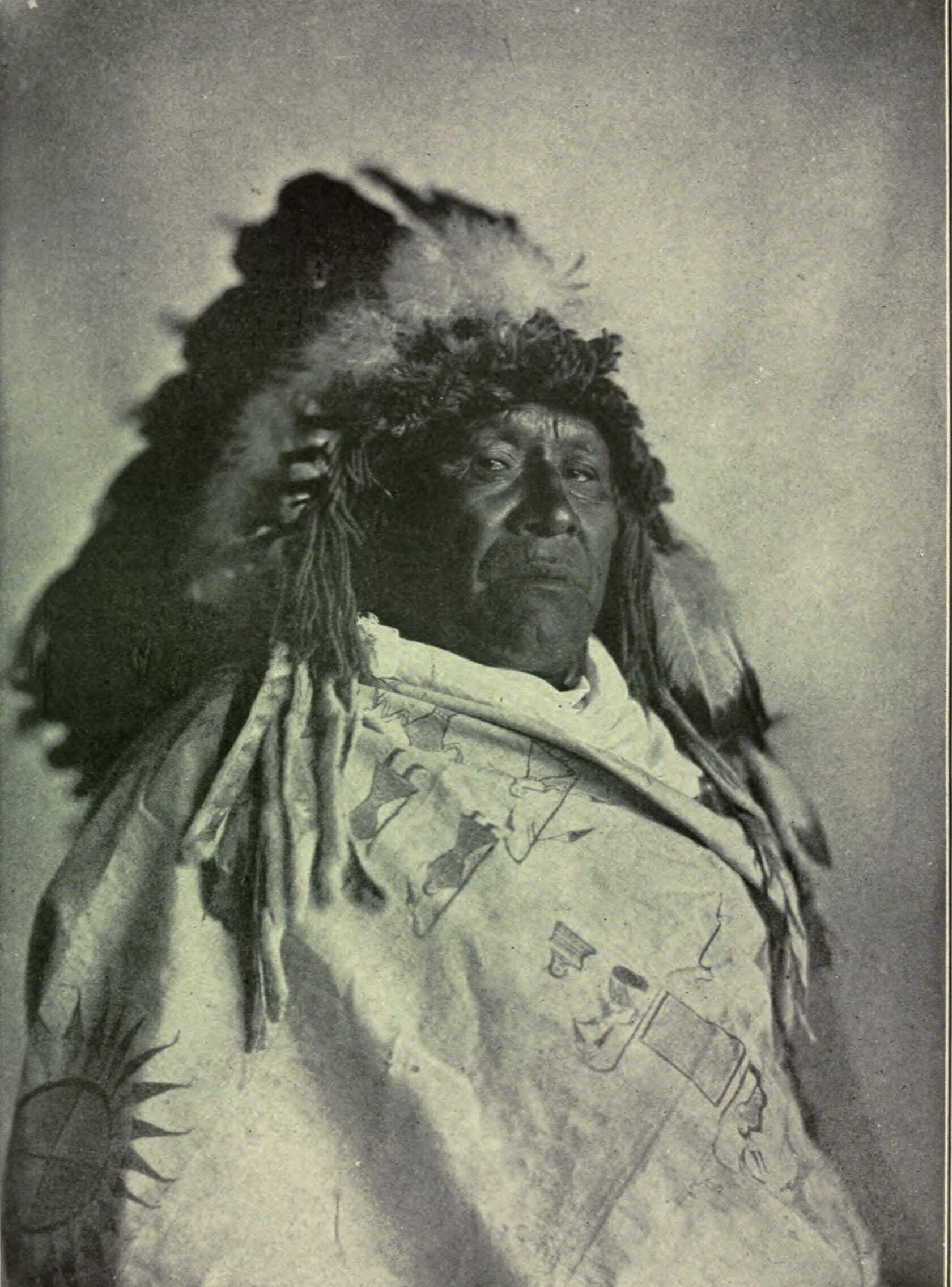
Charging Thunder's Dream of the Wolves
Charging Thunder of Standing Rock was a singer and dreamer whose songs were written down around 1913. This is the story of his dream of the wolves, in his own words: "When I was about 22 years of age I dreamed that I came to a wolf den and found the little wolves unprotected by either father or mother. They seemed to say, 'We are left here helpless, but our parents will soon return.' I learned their song, which was as follows:" Father comes home howling from somewhere, mother comes home howling from somewhere — father is bringing a young calf, and mother comes home howling from somewhere. Now she is returning, in a sacred manner she is coming home. "Soon I saw the old wolf returning, and behind him came a buffalo calf. This old wolf told me how to make a pipe, telling me to smoke it when I was on the warpath, and saying that the smell of the pipe would be so strong that the enemy would not detect my approach, and thus I would be able to steal their horses. The old wolf said that by the aid of this pipe I would be able to outwit the wisest and craftiest of my enemies. "I made the pipe as he directed and carried it on the warpath, and had good success. It did not look any different from an ordinary pipe, but it had been made sacred by a medicine-man. The following song was taught me by the old wolf." The old wolf's song began: "In a sacred manner he made it for me… " In the old days the wolf was the scout's teacher — the one who knew how to travel unseen, how to endure, and how to come home. A man who dreamed of wolves carried that knowledge for his people. ——— CREDITS & SOURCE Told by: Charging Thunder, Standing Rock Lakota — recorded c. 1913, interpreted by Robert P. Higheagle (Lakota). Published in: Frances Densmore, "Teton Sioux Music," Bureau of American Ethnology Bulletin 61 (Washington: Smithsonian Institution, 1918), pp. 179–183. Public domain (U.S. government publication, pre-1930). Photo: Charging Thunder, Plate 24 of the same volume. Shared here in honor of the teller. If this story belongs to your family or community and you would like it presented differently, please reach out.
Wakpala, South Dakota
IB
Isaac Hollow Horn Bear
@theLakotaDev · Jul 11, 2026
cultural

Old Buffalo's Vigil — a Prayer for His Niece
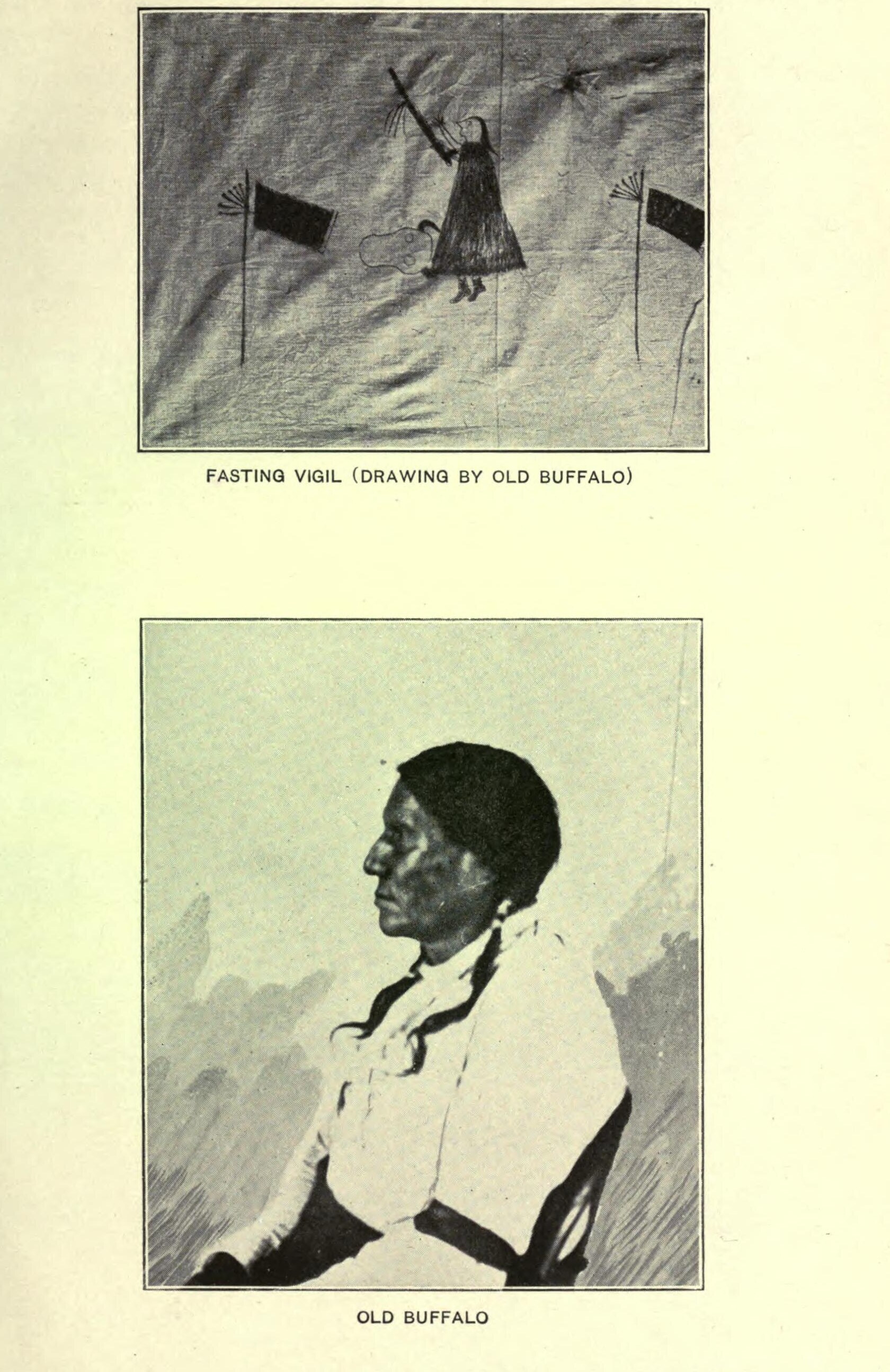
Old Buffalo's Vigil — a Prayer for His Niece
It was with no little hesitation that Old Buffalo (Tataŋk-ehaŋni) of Standing Rock told this story — an account of a prayer vigil he kept for a niece who was very ill, and who, he believed, recovered because of it. He also drew the scene himself; his drawing appears above his portrait in the photo. He told it in the present tense, as if living it again, and it was written down that way around 1913. These are his words: "I have a sister older than myself. We are children of one father and one mother. As my sister's child is growing up to be a young girl, she is taken sick, and is so thin that there is no flesh on her bones. She can not rise from her bed. I sit beside her. She asks me to bring her a drink of water. My heart is very sad. As I see her my thought is, 'I will call on Wakan Tanka for help.' I could not bear the thought of going many miles barefoot, but I wanted the girl to recover. "I go on a high hill and make a vow, saying: 'Wakan Tanka, I call upon you. Have pity on me. My niece is on her deathbed. Have pity on her, so she can live on earth and see you. Give me strength to do what is right and honest. I will give you four sacrifices. I will smoke a fine pipe. It is a Chief pipe, so you can bless it. I will do this in your honor if you will spare her life.' "The girl gets better. She drinks water and eats a little food. "Now I am going to fulfill my vow to Wakan Tanka. It is July, and the weather is very hot. They make a lodge for me at some distance from the village. Several men take the big-leaf sage and spread it on the ground in the lodge, then they bring hot stones and pour water on them. As I sit in the lodge it is filled with steam. When I am wet with perspiration the men rub me with sage. They take a buffalo robe, put it around me with the fur outside, and tie it across my chest. The discomfort of wearing this heavy robe is part of my sacrifice. No moccasins are on my feet. So I start for the distant hill where I am to offer my prayer. I carry a pipe decorated with ribbons and mallard-duck feathers, holding the stem upward in front of me as I walk. The sun has not long risen as I leave the village, and I reach the hill before noon. There I find a buffalo skull, which a man has brought from the village. It is a large skull with horns on it. My friends have also prepared a soft place on the ground for me and covered it with sage leaves, that I may rest when I am too weary from standing. "That afternoon I hold the pipe and follow the sun with it. At night I lie face down on the sage. "Now the sun has risen. I stand up again, facing the east and holding the pipe. All day I follow the sun with the stem of the pipe. The second night I stand up all night, until the daylight appears. Then I put my pipe against the buffalo skull and lie down with my head near it. When the sun is fully risen I stand up again and cry, saying, 'Give me strength for long life, and strength to be right and honest in all I do.' On the third day I put a piece of red cloth at each of the four directions. "Just as the sun is getting low on this day they come for me. I leave the buffalo skull, the pipe, and the four offerings of red cloth on the hill. Now I am going back with my friends, still walking with bare feet. They have made a new sweat lodge near the old one, and I am the first to enter it. Again they bring hot stones and pour water on them, and again they rub me with the sage leaves. After this I put on moccasins and leggings, and go away. "This is the means by which we prolonged our lives in the old days. My niece recovered." When he was asked afterward about the care the girl had received from the doctor, Old Buffalo replied indignantly: "It was Wakan Tanka who saved her life; not the doctor. She lived in answer to my prayer." ——— CREDITS & SOURCE Told by: Old Buffalo (Tataŋk-ehaŋni), Standing Rock Lakota — recorded c. 1913, interpreted by Mrs. James McLaughlin. Published in: Frances Densmore, "Teton Sioux Music," Bureau of American Ethnology Bulletin 61 (Washington: Smithsonian Institution, 1918), pp. 274–275. Public domain (U.S. government publication, pre-1930). Photo: Plate 42 of the same volume — Old Buffalo's own drawing of his fasting vigil, above his portrait. Shared here in honor of the teller. If this story belongs to your family or community and you would like it presented differently, please reach out.
Little Eagle, South Dakota