The Gift of the White Buffalo Calf Pipe — as told by Lone Man
IHHB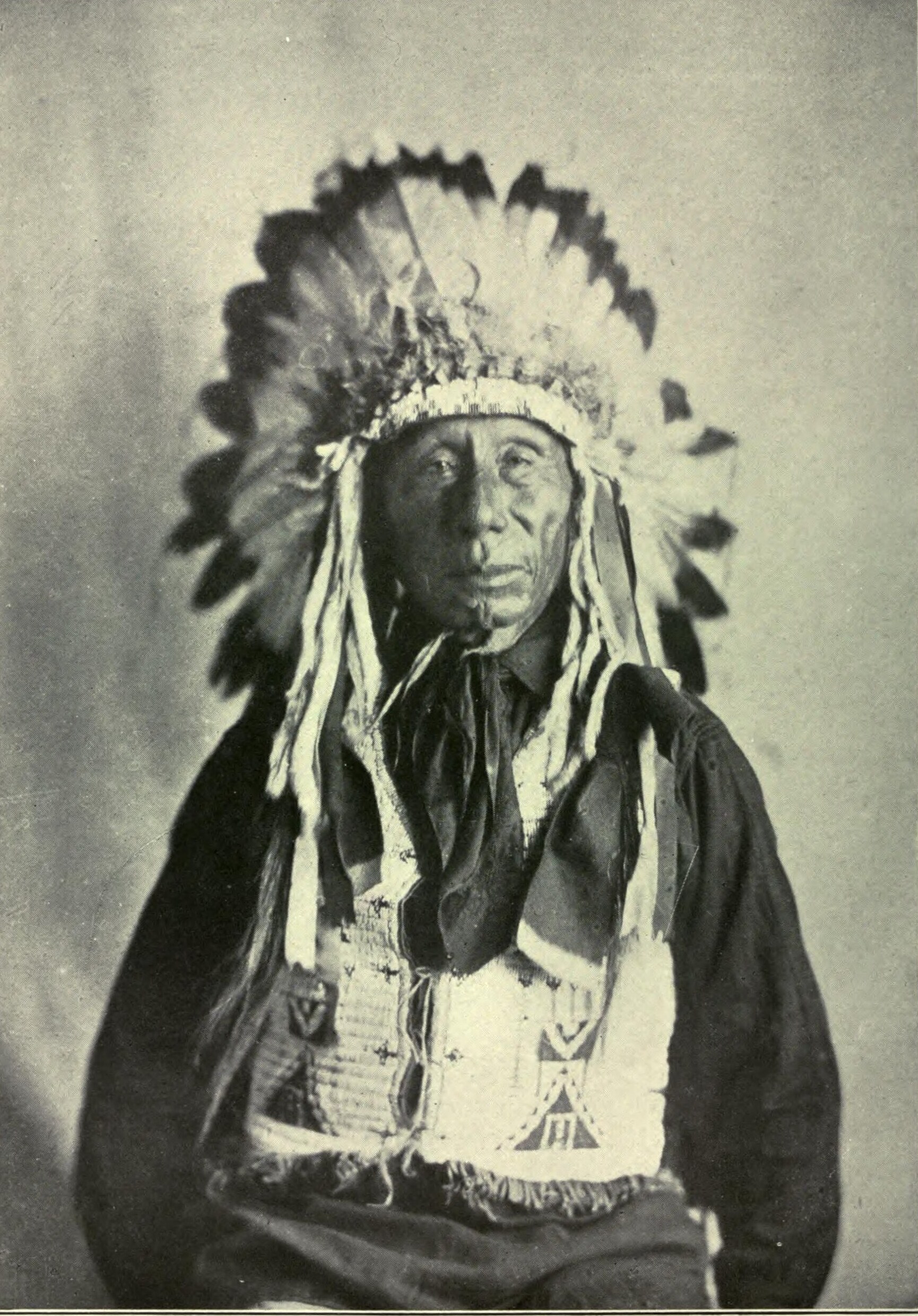
This is the sacred story of how the Čhaŋnúŋpa — the White Buffalo Calf Pipe — came to the Lakota people. It was told by Lone Man (Išná-la-wičá), a Teton Lakota elder of Standing Rock who had twice taken part in the Sun Dance. His telling was recorded around 1913 and published in 1918. These are his words, through interpreter Robert P. Higheagle: In the olden times it was a general custom for the Sioux tribe, especially the Teton band, to assemble in a body once at least during the year. This gathering took place usually about that time of midsummer when everything looked beautiful and everybody rejoiced to live to see nature at its best — that was the season when the Sun Dance ceremony took place and vows were made and fulfilled. After these gatherings there was a scattering of the various bands. On one such occasion the Sans Arc band started toward the west. They were moving from place to place, expecting to find buffalo and other game which they would lay up for their winter supply, but they failed to find anything. A council was called and two young men were selected to go in quest of buffalo. They started on foot. While they were planning what to do, there appeared from the west a solitary object advancing toward them. It did not look like a buffalo; it looked more like a human being than anything else. At last they saw that it was a beautiful young maiden. She wore a beautiful fringed buckskin dress, leggings, and moccasins. Her hair was hanging loose except at the left side, where was tied a tuft of shedded buffalo hair. In her right hand she carried a fan made of flat sage. Her face was painted with red vertical stripes. She spoke first: "I am sent by the Buffalo tribe to visit the people you represent. Go home and tell the chief and headmen to put up a special lodge in the middle of the camp circle, with the door of the lodge and the entrance into the camp toward the direction where the sun rolls off the earth. I have something of importance to present to the tribe, which will have a great deal to do with their future welfare. I shall be in the camp about sunrise." While she was speaking, one of the young men had impure thoughts. A cloud came down and enveloped him. When the cloud left the earth the young man was left there — only a skeleton. The Maiden commanded the other young man to turn his back toward her and start for home, and not to look back. The special lodge was made, and the crier announced in the whole camp what was to take place the following morning. Early the next morning, at daybreak, men, women, and children assembled around the special lodge. Promptly at sunrise she was in sight. She was dressed as when she first appeared except that instead of the sage fan she carried a pipe — the stem carried with her right hand and the bowl with the left. The chief welcomed her: "My dear relatives: This day Wakan Tanka has again looked down and smiled upon us by sending us this young Maiden, whom we shall recognize and consider as a sister. We are poor, but we have a great respect to visitors, especially relatives. We are at present needy and all we have to offer you is water, that falls from the clouds. Take it, drink it, and remember that we are very poor." Then, taking up the pipe, she arose and said: "My relatives, brothers and sisters: Wakan Tanka has looked down and smiles upon us this day because we have met as belonging to one family. I represent the Buffalo tribe, who have sent you this pipe. You are to receive this pipe in the name of all the common people. Take it, and use it according to my directions. The bowl of the pipe is red stone — a stone not very common and found only at a certain place. This pipe shall be used as a peacemaker. The time will come when you shall cease hostilities against other nations. Whenever peace is agreed upon between two tribes or parties this pipe shall be a binding instrument." To the women she said: "You have a hard life to live in this world, yet without you this life would not be what it is. By your hands the family moves. Wakan Tanka is with you in your sorrows and joins you in your griefs. He has given you the great gift of kindness toward every living creature on earth." To the children: "Your parents love you and have made many sacrifices for your sake. Learn to respect and reverence this pipe, and above all, lead pure lives. Wakan Tanka is your great grandfather." To the men: "In giving you this pipe you are expected to use it for nothing but good purposes. You realize that all your necessities of life come from the earth below, the sky above, and the four winds. Offer sacrifices through this pipe. When you are in need of buffalo meat, smoke this pipe and ask for what you need and it shall be granted you. Wakan Tanka smiles on the man who has a kind feeling for a woman. Take this pipe, and offer it to Wakan Tanka daily." To the chief: "You have been chosen by these people to receive this pipe in the name of the whole Sioux tribe. By this pipe the tribe shall live. It is your duty to see that this pipe is respected and reverenced." Then she took a buffalo chip which lay on the ground, lighted the pipe, and pointing to the sky with the stem, she said, "I offer this to Wakan Tanka for all the good that comes from above." Pointing to the earth: "I offer this to the earth, whence come all good gifts." Pointing to the cardinal points: "I offer this to the four winds, whence come all good things." Then she took a puff of the pipe, passed it to the chief, and said, "Now my dear brothers and sisters, I have done the work for which I was sent here and now I will go, but I do not wish any escort. I only ask that the way be cleared before me." Then, rising, she started, leaving the pipe with the chief, who ordered that the people be quiet until their sister was out of sight. She came out of the tent, walking very slowly; as soon as she was outside the entrance she turned into a white buffalo calf. Lone Man added that the chief who received the pipe was Buffalo Stands Upward (Tataŋka Woslal Naziŋ), and that the pipe was handed down from one generation to another. In his day it was kept by Elk Head (Heháka Pá) at Thunder Butte, on the Cheyenne River Reservation — which is why this story is pinned there. The Sacred Calf Pipe remains with its hereditary keepers on the Cheyenne River Reservation to this day. ——— CREDITS & SOURCE Told by: Lone Man (Išná-la-wičá), Teton Lakota, Standing Rock — recorded c. 1913, interpreted by Robert P. Higheagle (Lakota). Published in: Frances Densmore, "Teton Sioux Music," Bureau of American Ethnology Bulletin 61 (Washington: Smithsonian Institution, 1918), pp. 63–66. Public domain (U.S. government publication, pre-1930). Read the original: https://archive.org/details/no61bulletinethn00smituoft Photo: Lone Man, Plate 23 of the same volume. Shared here in honor of the teller. If this story belongs to your family or community and you would like it presented differently, please reach out.