Every story
has a place.
Mitákuye Oyás’iŋ — we are all related. So are our stories.
Native Story Book is a living archive of Native American stories — told in our own voices, pinned to the lands they come from, and kept by the community they belong to.
Carried by voice, tied to the land
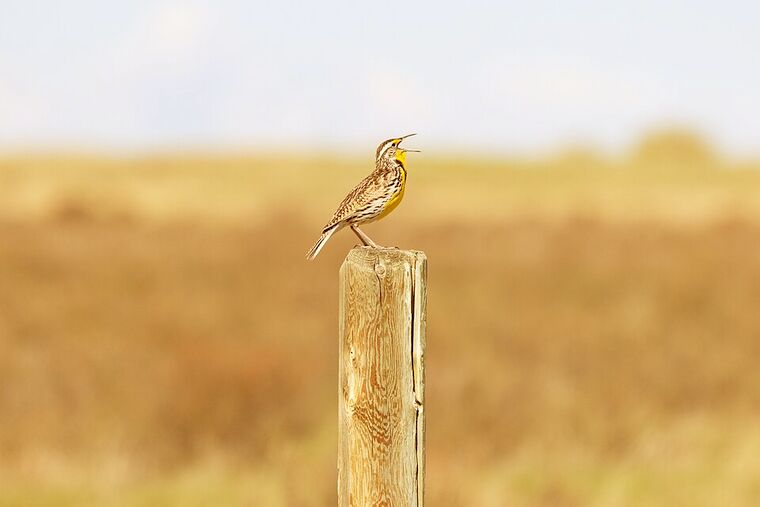
Long before anything was written down, our history lived in the telling. Lakota knowledge has always been carried this way — in the ohúŋkakaŋ told on winter nights, in the names our people gave to rivers and buttes, in the stories an uŋčí passes to her grandchildren so they know who they are and where they stand.
In that tradition, a story is never just words. It belongs to a teller, and it belongs to a place. The land itself is our first archive — every creek, ridge, and camp holds something that happened there. That is why Native Story Book is built around a map: when you share a story here, you pin it to the ground it grew from, the way it has always been kept.
We keep our own record
For most of written history, the record of Native people was kept by someone else — agents, census takers, boarding schools, textbooks. Too often that record was wrong, and too often it was missing on purpose. We know what happens to history when the people it belongs to don’t hold the pen.
It is still happening. Archives get renamed, curricula get rewritten, databases get defunded and quietly deleted. When institutions decide which parts of the past are convenient to keep, the only account you can fully trust is the one you keep yourself.
Native Story Book is that account: our stories, in our voices, on our lands, held by our own community. We are the keepers of our own record — because no one can erase what we carry together.
Passed from person to person
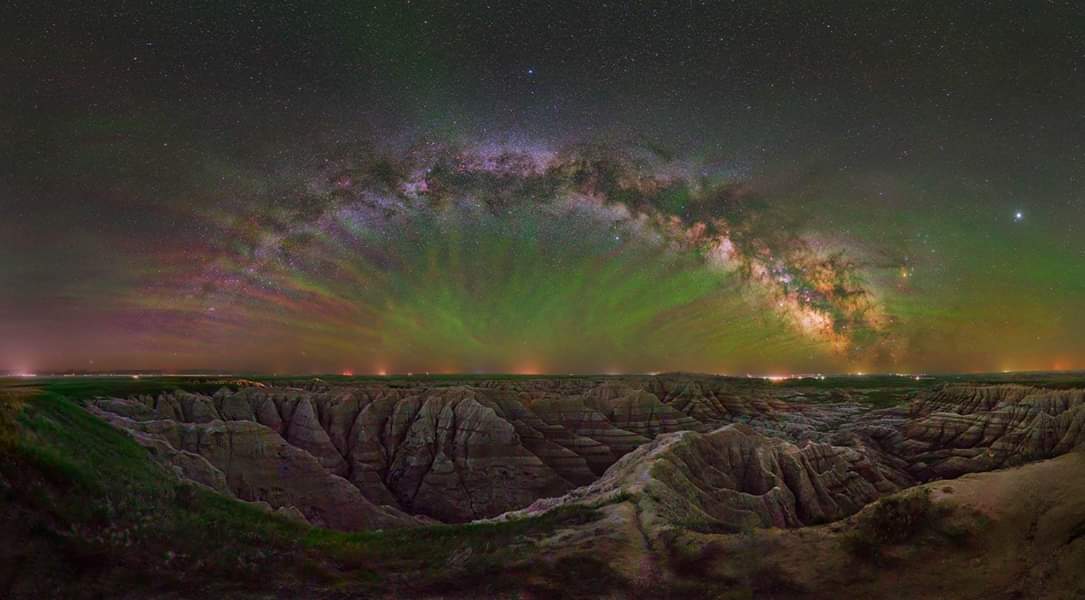
Behind every pin on the map is a storyteller. Each member's profile gathers their stories in one place — who they are, where they're from, and what they carry.
Follows, comments, and reactions keep tellers and listeners in relation, the way stories have always moved: from person to person, hand to hand, generation to generation. A relative's comment under a story — "my grandmother told a version of this too" — is part of the record, and here it gets kept alongside the telling.
How it works
Tell it
Write or record a story the way it was given to you — with photos, tags, and your own voice.
Place it
Pin the story to the land it comes from, building a living map of Native oral history.
Keep it
The community carries it forward — reading, responding, and protecting it through invite-only membership and community moderation.
Add your voice to the record.
Walk the map and read the stories already pinned to the land — or request an invitation and start carrying yours forward.
Already a member?Log in